




The checklist for a successful wood heating project and lasting comfort
Are you about to have a new wood-burning heating appliance installed? Here are six best practices to follow before installation and throughout the use of your wood stove or pellet stove to enjoy comfortable and sustainably efficient wood heating.

1. I choose a high-performance device that is suited to my configuration
- The latest generation of wood-burning stoves and pellet stoves offer the best energy efficiency and environmental performance.
- I choose an appliance power rating that is suitable for my space, neither too high or too low, to avoid under- or over-loading, the former causing accelerated clogging of the entire system, the latter causing premature wear.
- I choose a appliance based on the fuel that best suits my needs and storage space: log-burning stove, pellet stove, or hybrid stove (logs + pellets).
The installer is my best source of advice when it comes to choosing the right appliance. Thanks to their assessment of my environment and the technical framework in which the appliance will be installed, they help me evaluate my needs and identify the options available to me.

2. I choose a high-quality flue
“No efficient heating solution without a high-quality flue!”. In my project, I am particularly mindful of the smoke exhaust flue. It is an integral part of my appliance, essential for achieving the expected performance levels and maintaining them over time.
- I ensure that:
- - My flue is certified
- - My flue is guaranteed
- - My flue is correctly sized for my appliance
- - My flue uses components of the same brand up to the chimney stack for perfect compatibility
- For my comfort and safety, my installer determines the right flue solution based on the appliance (sealed or unsealed stove) and the technical constraints of my home (location of the appliance, roof and ceiling crossing, flue diversion, ridge height).

3. I entrust the entire installation to my installer
Already by my side upstream to advise me on my project, my certified installer is once again present during the complete installation of the "appliance + flue + chimney stack " and the commissioning of the system.
- His expertise and qualifications guarantee me:
- - Installation carried out in accordance with best practice and in compliance with current standards and regulations (in particular DTU 24.1)
- - A guarantee in the event of dysfunction
- - Expert advice during commissioning for safe and comfortable long-term use.
- The installer's certification is always a condition for accessing certain financial assistance. If I wish to apply for a grant, I will ensure that my installer is certified and I will prepare my grant application before signing anything.
- → Click here to be put in touch with a certified installer for free

4. I always use dry, clean, well-calibrated fuel
My wood-burning stove is installed and ready to use. All I have to do is fuel it… but not just any fuel! A wood-burning stove is not an incinerator.
- Here are 3 criteria to keep in mind when choosing your firewood:
- - My wood is dry with less than 20% moisture
- - My wood is correctly sized for my fireplace and clean (with minimal dust)
- - My wood comes from the best species in terms of calorific power: oak, hornbeam, beech and ash.
- Complementary or alternative, these products also work very well. In the “wood energy” family, there are various fuels that I can use:
- - Natural firelighters to help get my fire going
- - Kindling wood, small pieces of very dry wood that burn before the logs
- - Compressed logs (densified logs), alternatives to wood logs
But beware of poor-quality fuel!
- Wood that is too damp (moisture content > 20%) is the enemy of thermal comfort, energy savings, the longevity of the heating system, and air quality:
- - Its lower calorific value: it requires evaporation time before it can combust and produce heat
- - It accelerates the clogging of the appliance and the flue: this will require more maintenance (glass, flue, ash pan) and lead to premature wear.
- - Its environmental performance is poor: incomplete combustion will emit more polluting emissions...
Wood pellets
Unlike wood logs, wood pellets are manufactured industrially. They are standardised and controlled to ensure optimal combustion quality and consistent performance. As a precaution, I make sure that the packaging carries one of the following three certifications:
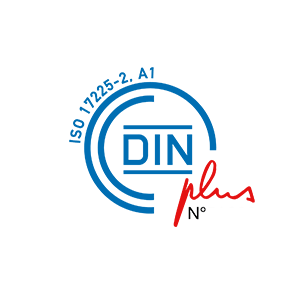


DINplus (German certification) ENplus (European certification) NF Biofuel Pellets (French certification)

5. I light my wood fire like a pro using the reverse “top-down” method.
From the very first fire, I use the top-down lighting method, also known as top lighting or reverse lighting. Cleaner and more efficient, it's the recommended method for properly lighting the fire in my wood-burning stove.
- Here's how to do it:
- - I place the large logs at the bottom of the fireplace, stacking them securely to form the base
- - I add a small layer of kindling on top of the logs, without packing it down. Air must always be able to circulate
- - I place one or two firelighters on top of my pyramid, above the small pieces of wood, without sticking them together, so that the fire catches in different places
- - I light the firelighters and let the fire gradually descend through the layers of wood, igniting each successive layer.
I use this method every time I light the fire. It allows the flue to heat up gradually and improves the draught.

6. I carry out maintenance at least once a year.
- In addition to using high-quality fuel:
- - I follow the manufacturer's and installer's recommendations for use
- - I clean my appliance regularly (glass, ash pan)
- - I make an appointment once or twice a year with a professional to have my chimney swept and my installation inspected. This is mandatory!
- At my home, the professional's intervention takes place in 4 stages:
- - Maintenance of the combustion appliance
- - Sweeping of the flue
- - Advice for the user
- - Issuing of a certificate detailing the work carried out on the installation.